New publication highlights: frontline insights from the KEEPCARING Project

Across Europe, healthcare professionals are working under growing pressure. Burnout, chronic stress, staff shortages, and rising psychosocial risks are no longer isolated issues. They are shaping everyday hospital life and threatening the long-term stability of health systems. As demands increase and crises continue to overlap, supporting the mental health and resilience of the healthcare workforce has become a strategic priority.
KEEPCARING Project brings together scientific, clinical, technological, and end-user partners to co-create practical, evidence-based tools that support mental well-being, organisational support, and psychological safety in hospital settings. By combining research with real-world experience, the project focuses on solutions that are not only innovative, but also realistic for daily clinical work.
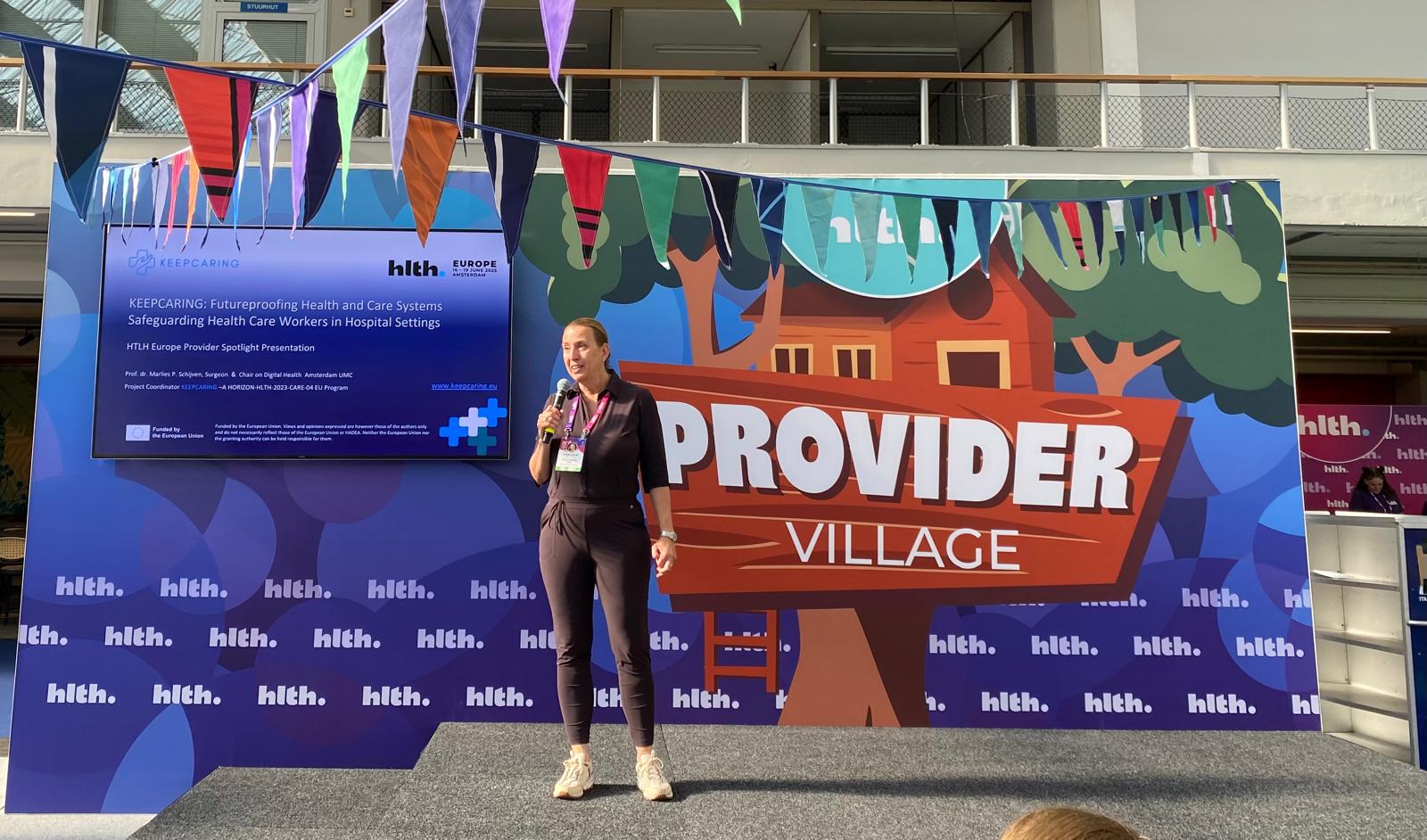
Insights gathered directly from frontline professionals, including through engagement activities facilitated by the European Federation of Nurses Associations, add an essential layer of context to the scientific work. When these perspectives are considered alongside emerging EU policy developments and the latest mental health findings from WHO Europe, they help clarify what is needed to build a resilient, motivated, and well-supported healthcare workforce across Europe.
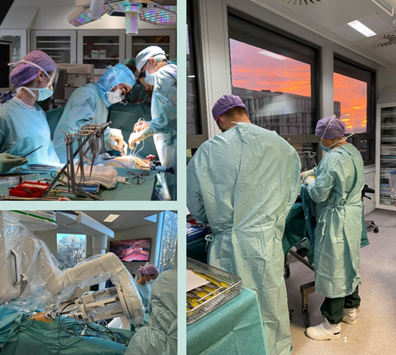
The paper, Frontline Perspectives and Emerging Solutions for Strengthening Healthcare Workforce Well-Being, brings together voices from nursing leaders, researchers, clinicians, and innovation partners across Europe. It paints a clear picture of daily realities in hospitals. Staff shortages, high workloads, workplace violence, and ongoing emotional strain continue to put nurses and other healthcare professionals at risk of burnout and early exit from the profession.
The opinion paper connects lived experience with action. Frontline insights gathered through stakeholder engagement, including discussions at major European forums and academic settings, are combined with scientific evidence and policy developments at EU and WHO Europe level. Together, they help explain not only why workforce well-being is under such strain, but also what can realistically be done to improve it.
The article highlights how the KEEPCARING Project is responding with a mix of digital and non-digital interventions. These range from job-crafting approaches that help teams reshape work together, to AI-supported tools, virtual reality relaxation, compassionate leadership interventions, and a Europe-wide workforce survey. All are designed with end users, not just for them, and tested in real hospital environments.
A key message runs through the paper. Resilience cannot be pushed onto individuals alone. Sustainable change depends on safer staffing, supportive leadership, psychologically safe workplaces, and organisational commitment, backed by evidence and smart use of technology.
This publication reinforces the role of KEEPCARING as a bridge between research, policy, and frontline practice. It also adds timely momentum to ongoing European debates on mental health, workforce retention, and the future sustainability of healthcare systems.
The full article is available open access on Iris Journal of Nursing & Care.